Population and Economy:
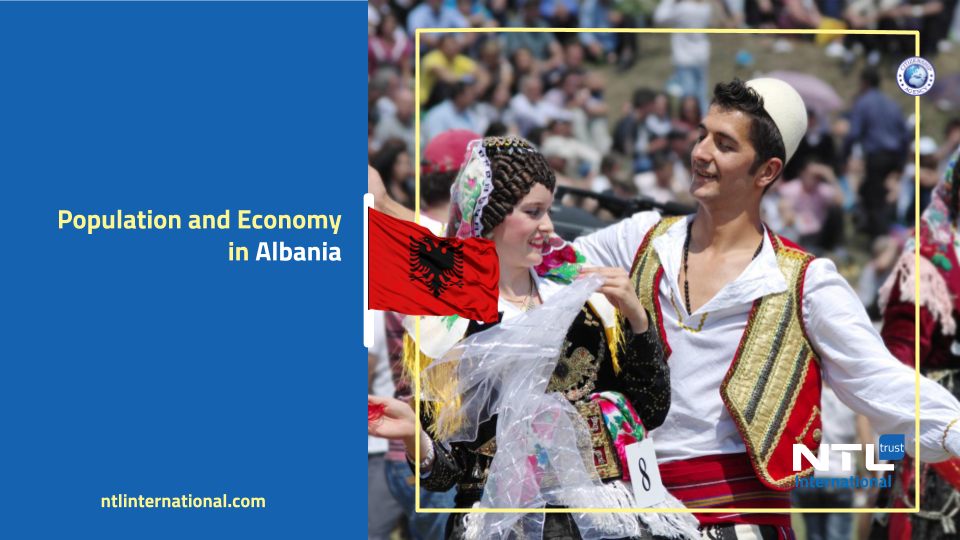
Albania is located in Southeastern Europe and is a member of the UN and NATO. Albania is one of the smallest countries in Europe with 28,700 square kilometers (11,000 square miles) of area.
Albania has been transitioning to a more open and flexible economic system by implementing substantial restructuring. Progress in income growth and poverty reduction has been considerable. A competitive trade regime supported by a relatively efficient regulatory framework has encouraged the development of the growing entrepreneurial sector. To sustain this progress, the government plans additional reforms to improve the rule of law, encourage the growth of economic freedom, and ensure continued vibrant economic development.
Hydropower
Albania is almost entirely reliant on hydropower for electricity production. Albania prides itself in eight main river systems. The Drin river ranks as the largest, and it is home to three hydropower stations. These three stations meet 90% of Albania’s domestic electricity generation. It is not uncommon for power shortages to occur in the course of prolonged droughts or dry periods. Experts assert that only 30 to 35% of the nation’s hydropower has been tapped.
INDUSTRY
Albania is an industrialized upper-middle-income nation, and it participates in NATO, OSCE, and WTO. The industrial sector in Albania accounts for 14.9% of the GDP, with agriculture and services contributing 21.6% and 63.5% respectively. The strongest Albanian sectors are metallurgy, energy, tourism, agriculture, and textile.
Mining, metallurgy, food processing, textiles, lumber, and cement were among the leading industries in Albania under the communist regime, when heavy industry was a priority and some factories were capable of exporting. After 1989, the sector declined due to the lack of new technology. In the 1990s, plants and equipment were destroyed and sold for scrap, or fell into disuse.
Albania is blessed with such extractable minerals as coal, chromium, nickel, and copper. Albania ranks as the only European State with significant deposits of chromium.
A revival of chromium, steel, and cement industries came with the increase of foreign investments in 2000. Some new equipment was purchased in the West for a cigarette-making plant in Durrës and for a manufacture of underwear in Korçë. Construction, especially in housing, was the main factor for investment growth.

US Visa Bond Program Becomes Permanent: Impact on Antigua and Barbuda, Dominica, Grenada, and Vanuatu Citizenship by Investment
The US Department of State has made its B-1/B-2 visa bond program permanent, effective 3 August 2026, raising bond amounts to $10,000-$20,000. Citizenship by Investment without a residency requirement remains an explicit qualifying criterion, directly affecting Antigua and Barbuda, Dominica, Grenada, and Vanuatu.
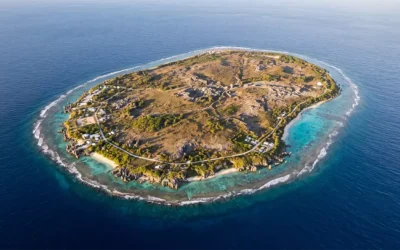
Nauru Is Now the Republic of Naoero: What It Means for the Citizenship Program
The Republic of Nauru has officially adopted the name Republic of Naoero. Citizenship Certificates now bear the new name; passports remain issued as Nauru during the transition.
EU Caribbean CBI Phase-Out by 2028: What the Visa Suspension Mechanism Means for Investors
The EU’s revised Visa Suspension Mechanism now treats CBI programme operation itself as suspension grounds. Antigua & Barbuda, Dominica, Grenada, St Kitts & Nevis, and Saint Lucia have reportedly been asked to phase out by 1 June 2028.
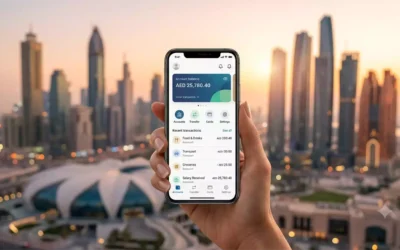
UAE Tourist Identity: Instant Digital Bank Account Launch
The Central Bank of the UAE, ICP, and ADCB have launched a digital identity-linked banking service allowing non-resident visitors to open an account and receive a debit card within minutes of arrival.
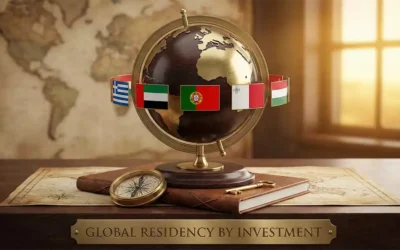
Best Residency by Investment Programs 2026
Compare 10 residency by investment programs in 2026: Greece, UAE, Portugal, Malta, Hungary, Germany, Latvia, Cyprus, USA EB-5, Türkiye. Analysis by NTL International.