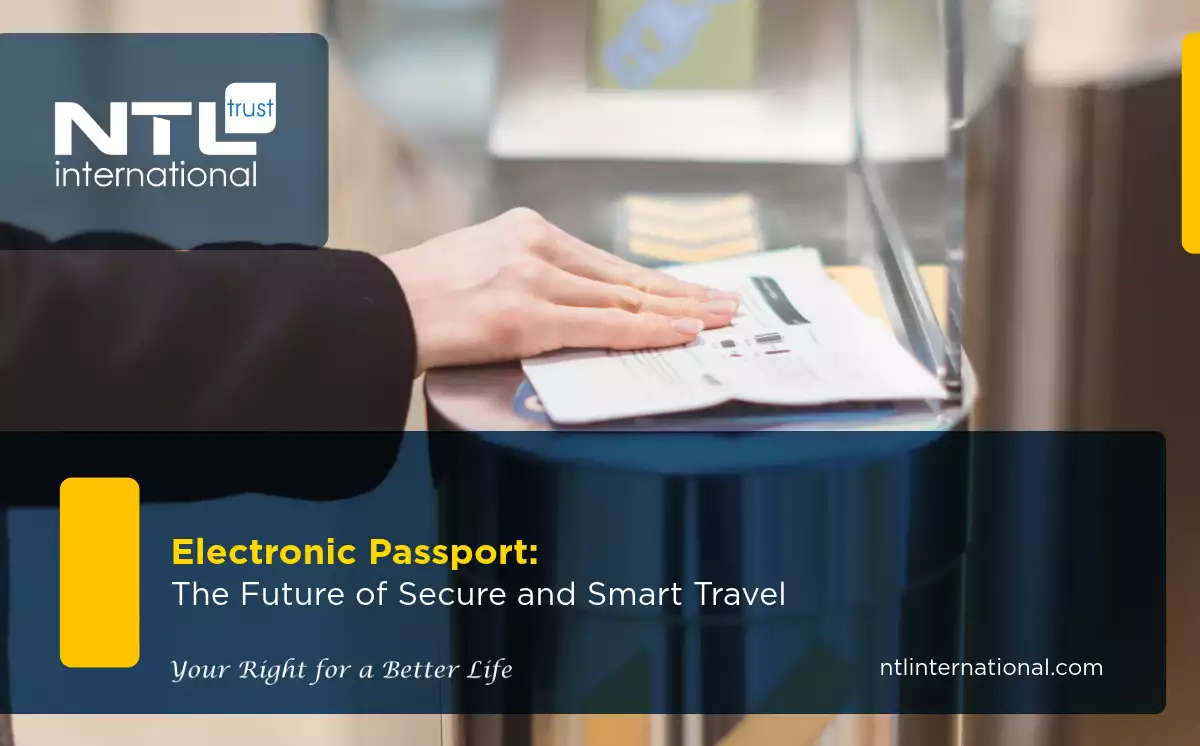
The Electronic Passport, often called an e-Passport or biometric passport, represents a breakthrough in international mobility. By embedding a secure microchip inside the passport booklet, governments can raise security standards, streamline border checks, and deliver a smoother travel experience for citizens and visitors alike.
What Is an Electronic Passport?
An Electronic Passport is an ICAO-compliant travel document containing a contactless chip that stores:
-
Holder’s full name and date of birth
-
Digital photograph in high resolution
-
Fingerprints and, in many cases, iris data
-
A digital signature that guards against tampering
The chip is protected by advanced encryption. Border officers use secure readers to authenticate the data and verify that the booklet has not been altered.
Global Roll-out and Key Milestones
-
1998: Malaysia issues the world’s first Electronic Passport.
-
2005: The International Civil Aviation Organization (ICAO) publishes Doc 9303, creating a single technical standard for all e-Passports.
-
2006–2010: Early adopters such as the United States, the United Kingdom, Germany, and Belgium introduce nationwide programs.
-
2019: More than 150 states issue e-Passports.
-
2025: Over 165 jurisdictions have transitioned, and several developing nations are in final testing phases.
Electronic vs. Traditional Passports
| Feature | Electronic Passport | Traditional Passport |
|---|---|---|
| Data storage | Secure microchip | Printed visa pages only |
| Forgery resistance | High, thanks to digital signatures | Moderate |
| Border efficiency | Eligible for automated e-gates | Manual inspection required |
| Identity verification | Biometric match in seconds | Visual comparison by officer |
What Are the Key Benefits of an Electronic Passport?
- Enhanced security
Encrypted biometric data sharply reduces identity theft and counterfeit attempts. - Faster processing
Travelers can pass through automated e-gates in seconds, cutting wait times and easing congestion. - Global acceptance
Most immigration systems now recognize e-Passports, allowing smoother connections and fewer secondary checks. - Contactless verification
Biometric matching is performed without handing documents back and forth, increasing hygiene and efficiency.
Impact on International Tourism
Airports that deploy e-gates report shorter queues and higher passenger throughput. Faster clearance encourages leisure and business travel, benefiting destinations that depend on tourism revenues.
How to Apply for an e-Passport
- Visit the official portal of your national passport agency.
- Complete the online application with accurate personal details.
- Upload a compliant passport photo.
- Schedule a biometric appointment for fingerprints and an optional iris scan.
- Pay the prescribed fee.
- Track the application; many authorities now issue e-Passports in less time than traditional booklets.
Upcoming Adopters
Countries preparing to launch nationwide e-Passport programs include Yemen, Ghana, Pakistan, Afghanistan, and several small Caribbean and Asian states. As training, equipment, and legislative frameworks fall into place, global coverage is expected to exceed 180 nations by 2028.
Challenges and Concerns
-
Implementation costs: Hardware, software, and staff training demand significant investment.
-
Privacy: Governments must protect stored biometrics from cyber-intrusion by using strong encryption and strict data-handling policies.
-
Public awareness: Travelers need clear guidance on caring for the chip and avoiding accidental damage.
Looking Ahead
Electronic Passports combine convenience, security, and speed in a single document. As adoption widens and technology advances, border controls will become more efficient while fraud risks decline. Ongoing investment in encryption and data governance will be essential to maintain public trust and ensure that the e-Passport remains a cornerstone of modern travel.

US Visa Bond Program Becomes Permanent: Impact on Antigua and Barbuda, Dominica, Grenada, and Vanuatu Citizenship by Investment
The US Department of State has made its B-1/B-2 visa bond program permanent, effective 3 August 2026, raising bond amounts to $10,000-$20,000. Citizenship by Investment without a residency requirement remains an explicit qualifying criterion, directly affecting Antigua and Barbuda, Dominica, Grenada, and Vanuatu.

Nauru Is Now the Republic of Naoero: What It Means for the Citizenship Program
The Republic of Nauru has officially adopted the name Republic of Naoero. Citizenship Certificates now bear the new name; passports remain issued as Nauru during the transition.

EU Caribbean CBI Phase-Out by 2028: What the Visa Suspension Mechanism Means for Investors
The EU’s revised Visa Suspension Mechanism now treats CBI programme operation itself as suspension grounds. Antigua & Barbuda, Dominica, Grenada, St Kitts & Nevis, and Saint Lucia have reportedly been asked to phase out by 1 June 2028.

UAE Tourist Identity: Instant Digital Bank Account Launch
The Central Bank of the UAE, ICP, and ADCB have launched a digital identity-linked banking service allowing non-resident visitors to open an account and receive a debit card within minutes of arrival.

Best Residency by Investment Programs 2026
Compare 10 residency by investment programs in 2026: Greece, UAE, Portugal, Malta, Hungary, Germany, Latvia, Cyprus, USA EB-5, Türkiye. Analysis by NTL International.