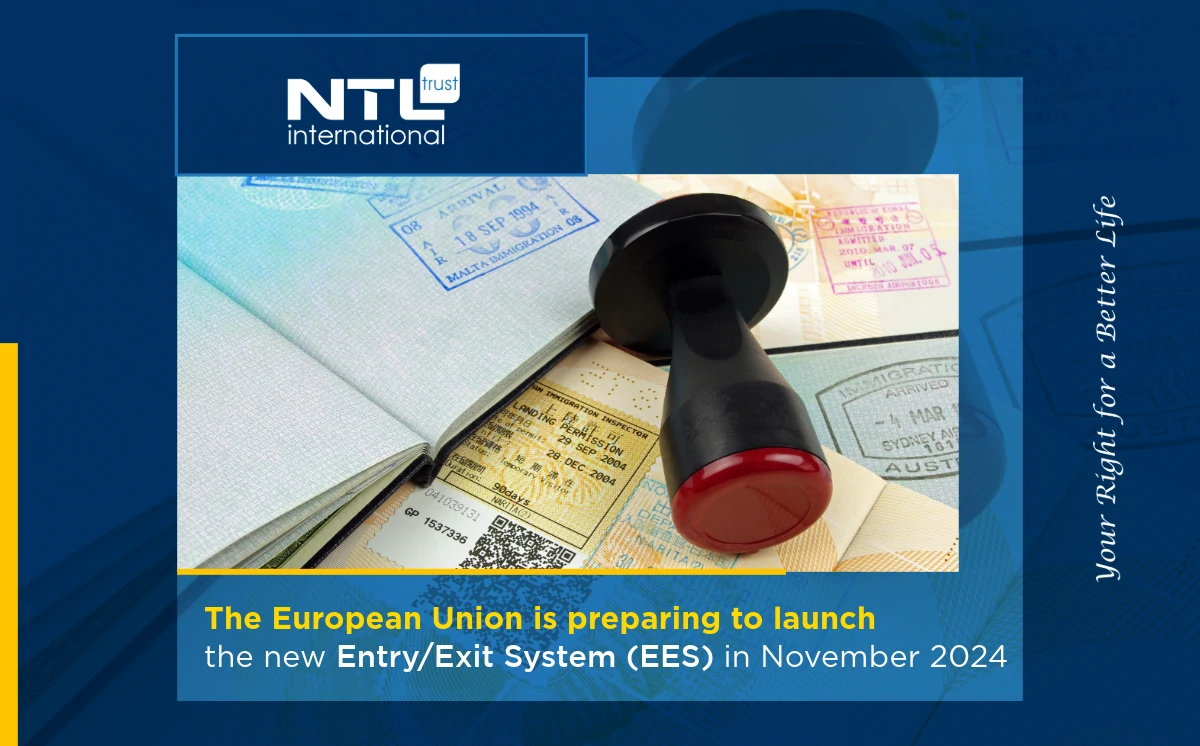
The EU plans to implement the Entry/Exit System (EES) for non-EU citizens starting November 10, 2024. This digital system will replace traditional passport stamps, with travelers’ data recorded electronically upon entering or leaving the Schengen Area. The EES aims to ensure visitors stay within the allowed 90-day stay within 180 days.
The EES will start in November:
Travelers will need to provide fingerprint and facial biometric data during their first entry. Subsequent crossings will be easier, requiring only a passport scan at a self-service kiosk to verify identity. Travelers will also need to register online for free before traveling to the EU.
However, concerns have been raised about potential travel delays due to the new system (EES). The European Commission has proposed a gradual and flexible implementation to reduce waiting times.
This change coincides with the expected launch of the European Travel Information and Authorization System (ETIAS) in 2025, which will require visitors from 60 visa-exempt countries to obtain an entry permit for a fee of €7, valid for three years.
With these changes ( EES), passport stamps may become a thing of the past, raising questions about the loss of personal touch in travel as we move further into the digital age.

Nauru Is Now the Republic of Naoero: What It Means for the Citizenship Program
The Republic of Nauru has officially adopted the name Republic of Naoero. Citizenship Certificates now bear the new name; passports remain issued as Nauru during the transition.

EU Caribbean CBI Phase-Out by 2028: What the Visa Suspension Mechanism Means for Investors
The EU’s revised Visa Suspension Mechanism now treats CBI programme operation itself as suspension grounds. Antigua & Barbuda, Dominica, Grenada, St Kitts & Nevis, and Saint Lucia have reportedly been asked to phase out by 1 June 2028.

UAE Tourist Identity: Instant Digital Bank Account Launch
The Central Bank of the UAE, ICP, and ADCB have launched a digital identity-linked banking service allowing non-resident visitors to open an account and receive a debit card within minutes of arrival.

Best Residency by Investment Programs 2026
Compare 10 residency by investment programs in 2026: Greece, UAE, Portugal, Malta, Hungary, Germany, Latvia, Cyprus, USA EB-5, Türkiye. Analysis by NTL International.

EU Entry/Exit System and UK ETA: New 2026 Border Requirements for RBI Applicants
New EU and UK border systems mean RBI applicants traveling for property viewings, biometric appointments, or permit collection should plan for longer first-entry processing and confirm UK ETA status before departure.