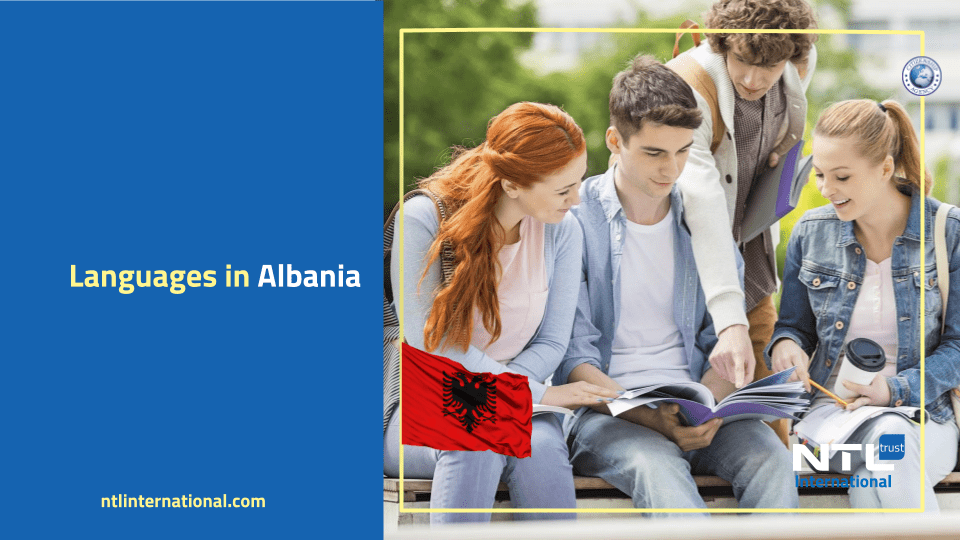
What Languages Are Spoken in Albania?
Albania is an ethnically homogeneous country with a vast majority of the population speaking the Albanian language. Minorities in the country speak their own native languages like Greek, Macedonian, Romani, and others. Italian and English are the most popular foreign languages spoken by the Albanians.
According to the Albanian Constitution, the Albanian language is the official language of Albania. The language serves as the mother tongue of 98.76% of the population of the country. There are several distinct dialects of Albanian. The two most widely spoken ones are the Tosk which is spoken in the south and the Gheg which is spoken by people in the north of Albania. The Albanian vocabulary has adopted many words from the Latin, Greek, Turkish, Italian, and Slavic tongues.
Compared to neighboring European languages, Albanian is rich in Arabic vocabulary as a result of the historical conditions that linked Albania during the last six centuries to the East and Ottoman rule. As for the origins of these eastern vocabulary, they are distributed as follows:
1460 Arabic words, 1732 Turkish words, 505 Persian words, 72 Arabic-Persian words, 433 Arabic-Turkish words.
Minority Languages Spoken in Albania:
1- Greek
The most spoken minority language of Albania is Greek. The language is spoken by the Greeks living in the country as well as by Albanians who had immigrated to Greece in the past.
2- Aromanian
The Aromanian is a minority language of Albania spoken by the Aromanians living in the country. These people, numbering about 100,000 to 200,000 are classified as a cultural minority by the Albanian law.
3- Romani
About 10,000 members of the Romani cultural group living in Albania speak the Romani language and have managed to preserve their native language despite the absence of a formal education system teaching the language in Albania.
4- Macedonian
The Macedonian language is spoken by the Macedonian people of Albania. According to the 1989 census, there were only 5.000 speakers of this language in the country.
5- Serbo-Croatian
The Serbo-Croatian language is spoken by people residing near Albania’s borders with Serbia and Montenegro in the northern part of the country.
Popular Foreign Languages Spoken in Albania
- Italian
The Italian language is the most popular foreign language spoken in Albania. The popularity of the language traces its origins to when the country was a protectorate of Italy. During this period, Italian was an official language in Albania. Most of the Albanians who speak Italian in the country have learnt the language by watching Italian television on an extensive scale. The 19,000 ethnic Italians living in the country also speak this language.
- English
Unlike Italian, English is widely taught in schools across Albania. Thus, English is the most popularly spoken foreign language among the youth of Albania. About 65% of the children of the country can speak English.
French, Russian, and Chinese are some other foreign languages spoken by small sections of the Albanian population.
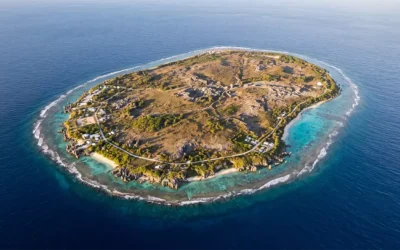
Nauru Is Now the Republic of Naoero: What It Means for the Citizenship Program
The Republic of Nauru has officially adopted the name Republic of Naoero. Citizenship Certificates now bear the new name; passports remain issued as Nauru during the transition.

EU Caribbean CBI Phase-Out by 2028: What the Visa Suspension Mechanism Means for Investors
The EU’s revised Visa Suspension Mechanism now treats CBI programme operation itself as suspension grounds. Antigua & Barbuda, Dominica, Grenada, St Kitts & Nevis, and Saint Lucia have reportedly been asked to phase out by 1 June 2028.

UAE Tourist Identity: Instant Digital Bank Account Launch
The Central Bank of the UAE, ICP, and ADCB have launched a digital identity-linked banking service allowing non-resident visitors to open an account and receive a debit card within minutes of arrival.
Best Residency by Investment Programs 2026
Compare 10 residency by investment programs in 2026: Greece, UAE, Portugal, Malta, Hungary, Germany, Latvia, Cyprus, USA EB-5, Türkiye. Analysis by NTL International.
EU Entry/Exit System and UK ETA: New 2026 Border Requirements for RBI Applicants
New EU and UK border systems mean RBI applicants traveling for property viewings, biometric appointments, or permit collection should plan for longer first-entry processing and confirm UK ETA status before departure.