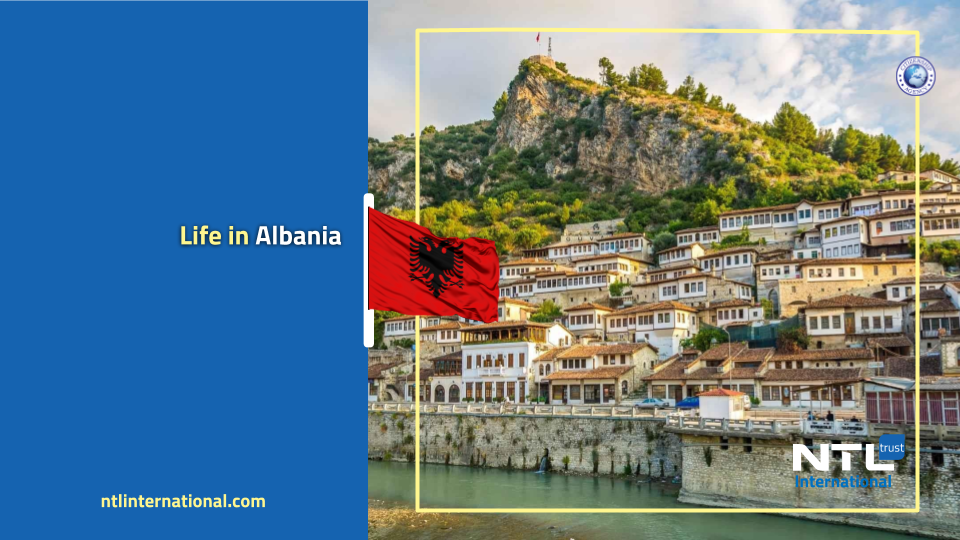
Albania is a 28,748 km2 country situated in the heart of the European continent, in Southeast Europe. The country is small in kilometers but it has many natural landscapes and it is rich in mineral and natural resources, its inhabitants have inherited the unique traditions of their Illyrian ancestors.
It is located in the region called the Balkans and bordered by Greece in the southeast, Macedonia in the east, Kosovo in the northeast and Montenegro in the north. In front of it (bordered by the Adriatic Sea) is Italy. The main airport is called Mother Theresa Airport, located in Rinas, between Tirana and Durres cities.
CURRENCY:
The national currency is the lek (plural lekë,). The euro is widely accepted.
ATMs
ATMs are available in most major cities. The ATMs accept most international Visa and MasterCard credit/debit cards.
Shopping
Some Albanians write prices with an extra zero. They are not trying to charge you 10 times the going rate; they are merely using the old currency.
Many rural convenience stores will not accept any other method of payment other than cash (Albanian lek). However, supermarkets, some bookstores and some boutique stores will accept credit or debit cards. The most widely accepted cards are Visa, MasterCard, and Diner’s Club.
In all the Albanian cities you can find numerous shops, which offer different goods, of well-known marks, Glasses, antique objects, etc. Of great interest for tourists are the traditional bazaars of Kruja, Korca, Shkodra, Gjirokastra and Tirana, where you can find the artisan works produced by Albanian people over the years. You can buy woody carved objects, ceramics, embroiders with popular motifs and also cooper objects. Albanian shops are open from 09:00-20:00 usually, and until 22:00 in summer. Most of the shops stay open on Sunday.
Souvenirs: Alabaster, Ashtrays
Tipping
5-10% is considered a good tip, but it is not always expected. So, you may just round up the bill.
ECCIRA: The New Caribbean CBI Regulator for Five Eastern Caribbean Nations
Five Eastern Caribbean nations have enacted legislation creating ECCIRA, a shared regulator for their citizenship by investment programs. Here is what changes.

US Visa Bond Program Becomes Permanent: Impact on Antigua and Barbuda, Dominica, Grenada, and Vanuatu Citizenship by Investment
The US Department of State has made its B-1/B-2 visa bond program permanent, effective 3 August 2026, raising bond amounts to $10,000-$20,000. Citizenship by Investment without a residency requirement remains an explicit qualifying criterion, directly affecting Antigua and Barbuda, Dominica, Grenada, and Vanuatu.
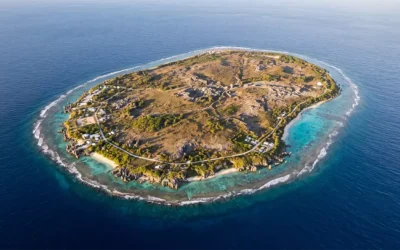
Nauru Is Now the Republic of Naoero: What It Means for the Citizenship Program
The Republic of Nauru has officially adopted the name Republic of Naoero. Citizenship Certificates now bear the new name; passports remain issued as Nauru during the transition.

EU Caribbean CBI Phase-Out by 2028: What the Visa Suspension Mechanism Means for Investors
The EU’s revised Visa Suspension Mechanism now treats CBI programme operation itself as suspension grounds. Antigua & Barbuda, Dominica, Grenada, St Kitts & Nevis, and Saint Lucia have reportedly been asked to phase out by 1 June 2028.

UAE Tourist Identity: Instant Digital Bank Account Launch
The Central Bank of the UAE, ICP, and ADCB have launched a digital identity-linked banking service allowing non-resident visitors to open an account and receive a debit card within minutes of arrival.