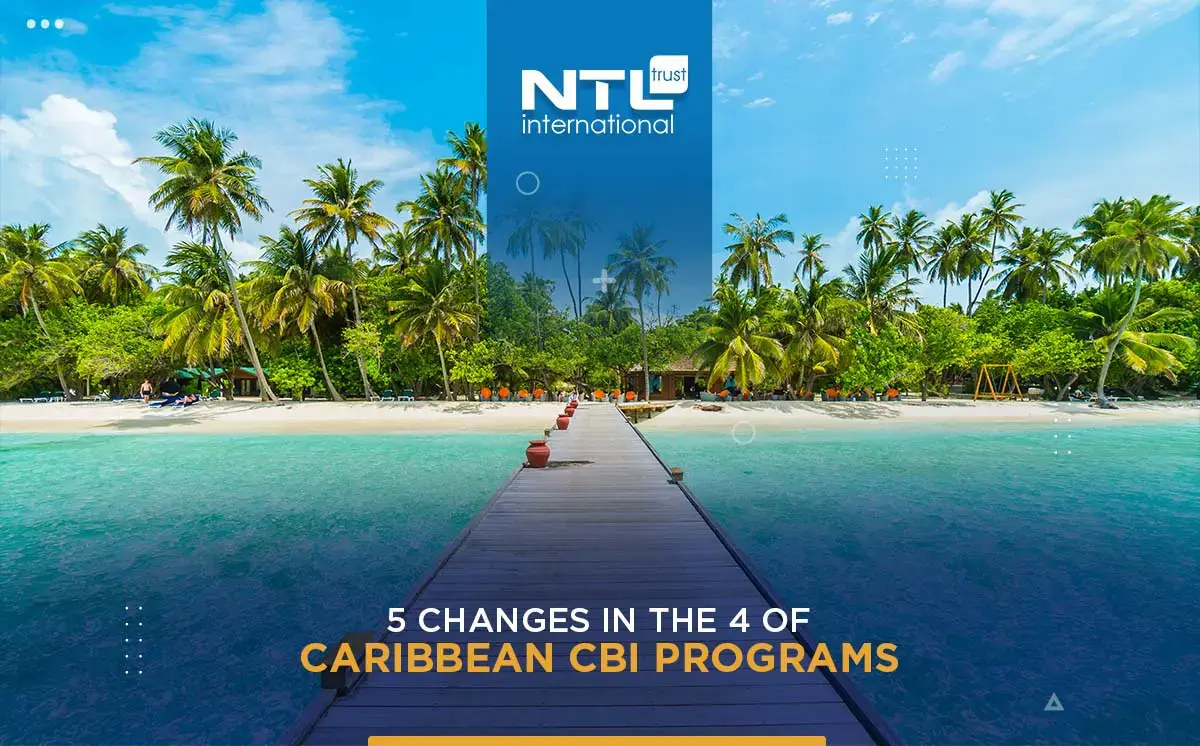
On March 20, 2024, 4 Caribbean countries signed a memorandum of agreement (MOA) to unify and regulate CBI programs.
Antigua and Barbuda, Dominica, Grenada, and St Kitts and Nevis signed this agreement while Saint Lucia was outside this agreement, for reasons that may be explained later.
What are the benefits of this agreement on CBI programs in the Caribbean?
- Standardized minimum investment: $200,000 for all four programs by June 30, 2024.
- Promoting transparency: sharing information between countries, and establishing a digital portal with the Joint Regional Communications Center (JRCC) in Barbados.
- Establishment of a joint regional authority: to set international standards and regulate programmes.
- Cooperation in Due Diligence process: to ensure the security of citizens of citizenship by investment programmes.
- Regulating agents: Preventing the use of misleading terms such as “visa-free access.”
What are the objectives of the Caribbean Islands Convention?
- Increase confidence in the legitimacy of CBI Programs.
- Ensuring stability of investments.
- Creating a safe and transparent path to Caribbean citizenship.
Prime Minister Dickon Mitchell of Grenada also praised the agreement, saying: “This agreement will put an end to the underselling and financial discrepancies that have drawn criticism in previous CBI Programs.” While Prime Minister Terrance Drew of Saint Kitts and Nevis expressed his support for the agreement, stressing its importance in improving citizenship by investment programmes. This agreement represents a milestone in the history of CBI programs in the Caribbean region.
We, as experts at NTL, see this agreement as a milestone in the history of citizenship by investment programs in the Caribbean region.

US Visa Bond Program Becomes Permanent: Impact on Antigua and Barbuda, Dominica, Grenada, and Vanuatu Citizenship by Investment
The US Department of State has made its B-1/B-2 visa bond program permanent, effective 3 August 2026, raising bond amounts to $10,000-$20,000. Citizenship by Investment without a residency requirement remains an explicit qualifying criterion, directly affecting Antigua and Barbuda, Dominica, Grenada, and Vanuatu.
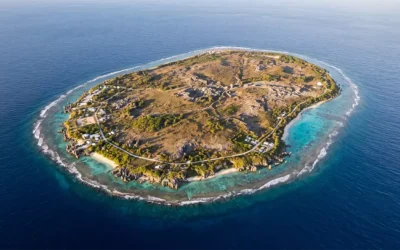
Nauru Is Now the Republic of Naoero: What It Means for the Citizenship Program
The Republic of Nauru has officially adopted the name Republic of Naoero. Citizenship Certificates now bear the new name; passports remain issued as Nauru during the transition.

EU Caribbean CBI Phase-Out by 2028: What the Visa Suspension Mechanism Means for Investors
The EU’s revised Visa Suspension Mechanism now treats CBI programme operation itself as suspension grounds. Antigua & Barbuda, Dominica, Grenada, St Kitts & Nevis, and Saint Lucia have reportedly been asked to phase out by 1 June 2028.

UAE Tourist Identity: Instant Digital Bank Account Launch
The Central Bank of the UAE, ICP, and ADCB have launched a digital identity-linked banking service allowing non-resident visitors to open an account and receive a debit card within minutes of arrival.

Best Residency by Investment Programs 2026
Compare 10 residency by investment programs in 2026: Greece, UAE, Portugal, Malta, Hungary, Germany, Latvia, Cyprus, USA EB-5, Türkiye. Analysis by NTL International.