
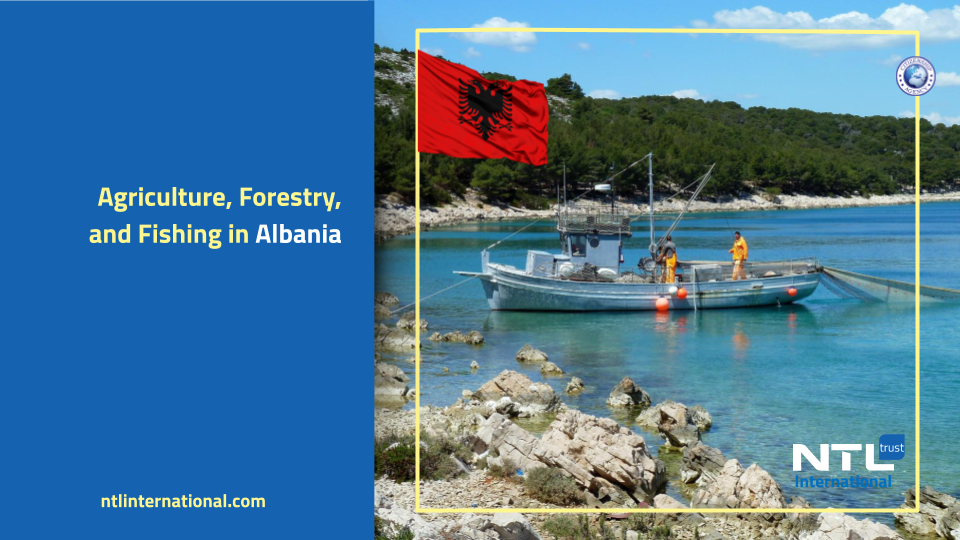
Agriculture:
Agriculture is an essential sector in Albania. One of the earliest agricultural lands in Europe has been found in southeastern Albania.
The former governments allocated substantial resources to the development of agriculture. Large-scale programs of land reclamation, soil improvement, and irrigation, as well as increased use of fertilizers, all contributed to a significant expansion of agricultural production. Later, agriculture has registered annual growth during the latest periods.
About half of the economically active population is employed in agriculture. Only one-fourth of the total land area is arable, yet the country meets nearly all its food needs from domestic production. Albania occupies a world leading position for olive oil production. The main crops are wheat, corn, sugar beets, and watermelons. Apples, plums, grapes, walnuts, and chestnuts are also grown. Citrus fruits are cultivated on the southern coast, as are figs and olives wherever there is sufficient irrigation. Major livestock are sheep, goats, cattle, and pigs so, meat and dairy products are available, and Albania is also famous for traditional medicine, aromatic plants and honey.
Forests:
Forests cover about one-third of Albania. The country has lost much of its forest area, however, due to clearance for agriculture, pasture, and fuel wood. In the mid-1990s the Albanian government joined with Italy and the World Bank to implement a forestry project, which included the strengthening of Albania’s environmental institutions and the introduction of sustainable forestry methods.
Fishing:
The Albanian fishing industry has great potential; however, due to a lack of professional fishermen and the use of antiquated equipment, it has not been fully developed. The catch in the Ionian Sea includes carp, trout, sea bream, mussels, and crustaceans. The country’s main fishing ports are at Sarandë, Vlorë, Shëngjin, and Durrës, the last of which is the country’s largest and most important. Port facilities have also been developed on inland lakes. Family-run trout farms have increased in importance, as have shrimp farms. Anchovies imported from other Mediterranean countries are canned for export.
The World’s Top Ten Residency By Investment Programs for 2020
What are the world’s Top Ten Residency By Investment Programs for 2020?
Türkiye’s Transition to The Electronic System E-Devlet
Türkiye’s transition to the Electronic system:
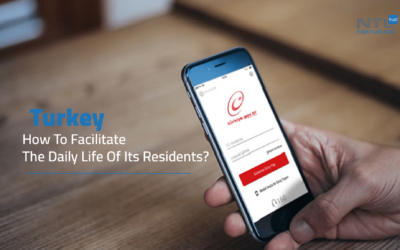
Day-after-day e-government services in Türkiye contribute to facilitating the daily lives and transactions of citizens and residents by saving time and efforts. These services vary between municipal services, ministries services, issues related to judicial cases, registration procedures for exams and universities, health and social insurance procedures. Besides, patients can obtain appointments at hospitals through the Internet, in addition to the possibility of applying for unemployment aids and applying for a passport.
Turkish Economy Exceeded Expectations
The Turkish economy delivered a performance that exceeded expectations last year and is forecast to post significant growth this year.
According to the Investment Office of the Presidency of the Turkish Republic, Türkiye has jumped up 10 places and ranked 33rd in the World Bank’s Doing Business 2020 report. It ranked 69th in 2017, 60th in 2018, and 43rd in the 2019 editions of this report.
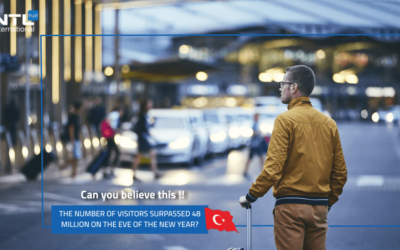
More than 48 million visitors on New Year’s Eve in Türkiye
The charming Türkiye, The Top Tourist-Generating Country.
Türkiye ranked fourth in Europe in the list of best tourist hosts. Where it hosted in the eleven months of the year 2019 until the eve of the New Year nearly 48 million and 46 thousand and 732 visitors. The largest number of visitors were from Russia, Germany and the United Kingdom, followed by Bulgaria, Iran and Georgia, with expectations of receiving 70 million tourists before 2023.
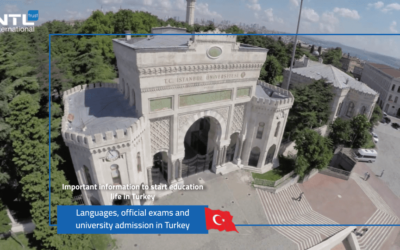
Languages, Official Exams and University Admission in Türkiye
It is said: “The Turkish language does not accept competition in its country.” Therefore, anyone who thinks about life, learning, and work in Turkey must seriously consider affiliation with the Turkish language teaching institutes for foreigners, which vary in three sources: public universities institutes, private centers, and municipal centers, the differences between these sources are reflected in the curriculum and method of language teaching and whether it focuses on teaching the daily life language, or the academic language, and in the schedule of these courses Quarterly system as in universities or other system, as well as tuition fees for these courses, and the privileges like accredited certificate at most Turkish universities.