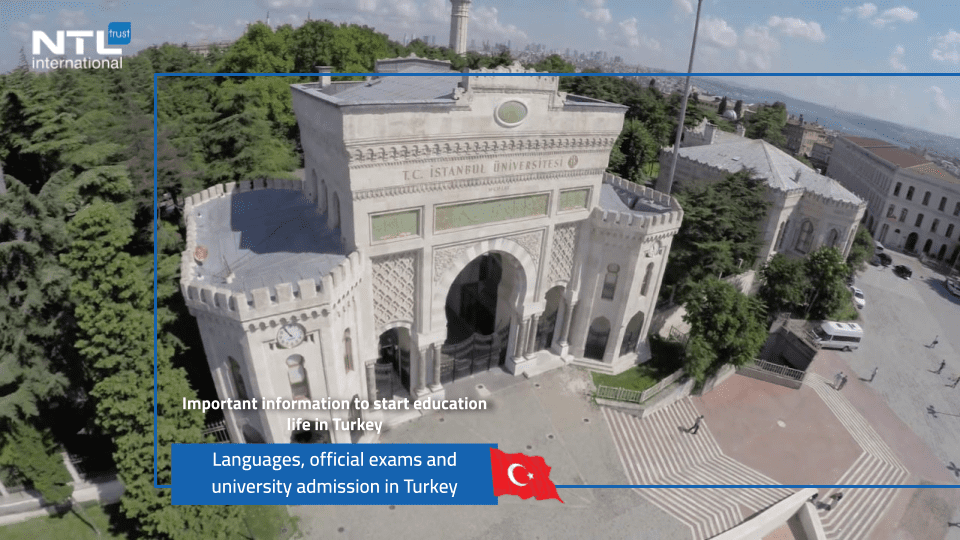
It is said: “The Turkish language does not accept competition in its country.” Therefore, anyone who thinks about life, learning, and work in Türkiye must seriously consider affiliation with the Turkish language teaching institutes for foreigners, which vary in three sources: public universities institutes, private centers, and municipal centers, the differences between these sources are reflected in the curriculum and method of language teaching and whether it focuses on teaching the daily life language, or the academic language, and in the schedule of these courses Quarterly system as in universities or another system, as well as tuition fees for these courses, and the privileges like an accredited certificate at most Turkish universities.
Among the most famous language institutes in universities are: Tomer Center at Ankara University, and the Language Center at Istanbul University, in addition to the private institutions in almost all Turkish cities. The municipality in Istanbul has established many centers and institutes that teach Turkish language, “ISMEK”, the name is an abbreviation for “Courses for teaching crafts and arts by Istanbul Municipality” which is one of the famous centres spread throughout the city. They are completely free for Turks and foreigners, and it costs only the price of textbooks.
Pre-university education:
Free compulsory education begins in Türkiye at the age of five and continues until the twelfth grade. Students graduate from preparatory to primary and lower secondary, followed by high school. They are subjected, at the end of each stage, to a set of exams that qualify them to move to the next stage.
Turks and those who are residents in Türkiye, whether they are subject to temporary protection, holders of tourist residency cards, work residency or permanent residency, are entitled to register their children in Turkish schools, whether governmental or private.
Higher Education:
Higher education institutions in Türkiye include universities, colleges, institutes, higher education institutes, music institutes, vocational institutes of higher education and applied research centres. Thanks to the rise in the number of universities from all 76 old universities to 207 universities, all Turkish cities include universities, institutes and colleges. These universities vary between public and private.
While enrollment rates for private universities generally increase, public universities remain much more popular in the seven regions of the country. This is due to the high costs of joining a private university, even if in varying proportions between universities and different majors.
While enrollment rates for private universities generally increase, public universities remain much more popular in the seven regions of the country. This is due to the high costs of joining a private university, even if in varying proportions between universities and different majors.
Turkish students and foreigners alike who wish to enrol in Turkish universities can apply directly to universities and foreign students must have completed their secondary education in a high school where education is equivalent to teaching Turkish schools; here they need to confirm this from the Turkish embassy in their country and apply To obtain a student visa.
Turkish and non-Turkish students must pass one of two exams for university admission:
First: The International Student Entrance Examination (YÖS), which is a local test for Turkish universities only and is not universally recognized as “TOEFL”, “IELTS” tests, and largely depends on the student’s intellectual level and his method of solving mathematical problems, and it consists of two parts; Basic learning “and” Turkish Language Proficiency Test “to see Turkish language level.
The second: A test called SAT, which is an international acceptance test for universities and affiliated with an American non-profit organization called “College Board,” a test that helps students enter distinguished Turkish universities or complete studies at Turkish universities. The purpose of this test is to determine the student’s ability to apply the information that he has in solving the problems presented to him in this test.
SAT relies on passing tests in reading, writing, and mathematics in the English language, most of which is information that a student has acquired in middle and high school.
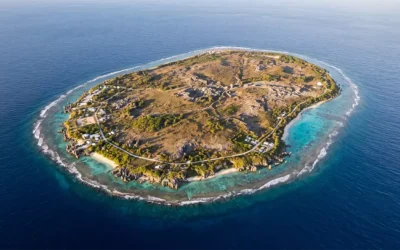
Nauru Is Now the Republic of Naoero: What It Means for the Citizenship Program
The Republic of Nauru has officially adopted the name Republic of Naoero. Citizenship Certificates now bear the new name; passports remain issued as Nauru during the transition.

EU Caribbean CBI Phase-Out by 2028: What the Visa Suspension Mechanism Means for Investors
The EU’s revised Visa Suspension Mechanism now treats CBI programme operation itself as suspension grounds. Antigua & Barbuda, Dominica, Grenada, St Kitts & Nevis, and Saint Lucia have reportedly been asked to phase out by 1 June 2028.

UAE Tourist Identity: Instant Digital Bank Account Launch
The Central Bank of the UAE, ICP, and ADCB have launched a digital identity-linked banking service allowing non-resident visitors to open an account and receive a debit card within minutes of arrival.

Best Residency by Investment Programs 2026
Compare 10 residency by investment programs in 2026: Greece, UAE, Portugal, Malta, Hungary, Germany, Latvia, Cyprus, USA EB-5, Türkiye. Analysis by NTL International.

EU Entry/Exit System and UK ETA: New 2026 Border Requirements for RBI Applicants
New EU and UK border systems mean RBI applicants traveling for property viewings, biometric appointments, or permit collection should plan for longer first-entry processing and confirm UK ETA status before departure.