Population and Economy:
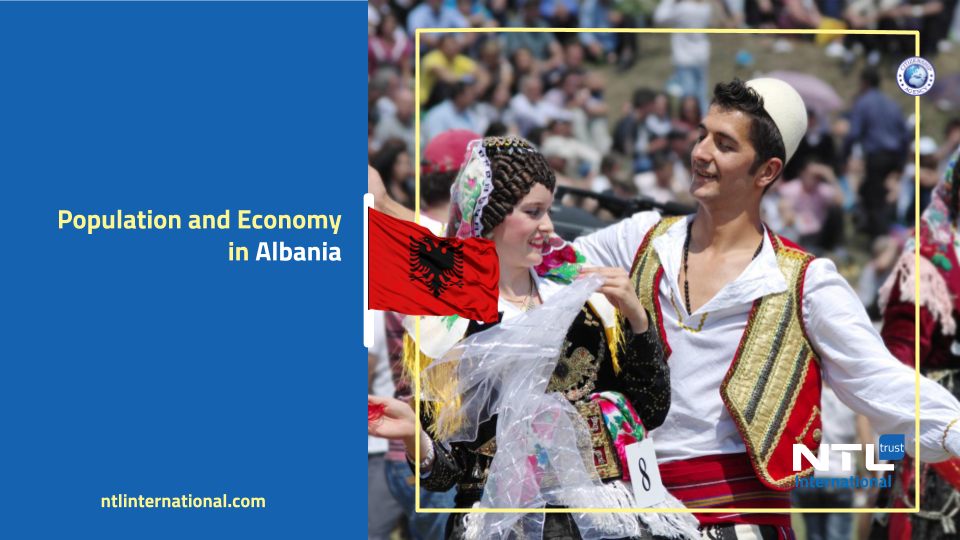
Albania is located in Southeastern Europe and is a member of the UN and NATO. Albania is one of the smallest countries in Europe with 28,700 square kilometers (11,000 square miles) of area.
Albania has been transitioning to a more open and flexible economic system by implementing substantial restructuring. Progress in income growth and poverty reduction has been considerable. A competitive trade regime supported by a relatively efficient regulatory framework has encouraged the development of the growing entrepreneurial sector. To sustain this progress, the government plans additional reforms to improve the rule of law, encourage the growth of economic freedom, and ensure continued vibrant economic development.
Hydropower
Albania is almost entirely reliant on hydropower for electricity production. Albania prides itself in eight main river systems. The Drin river ranks as the largest, and it is home to three hydropower stations. These three stations meet 90% of Albania’s domestic electricity generation. It is not uncommon for power shortages to occur in the course of prolonged droughts or dry periods. Experts assert that only 30 to 35% of the nation’s hydropower has been tapped.
INDUSTRY
Albania is an industrialized upper-middle-income nation, and it participates in NATO, OSCE, and WTO. The industrial sector in Albania accounts for 14.9% of the GDP, with agriculture and services contributing 21.6% and 63.5% respectively. The strongest Albanian sectors are metallurgy, energy, tourism, agriculture, and textile.
Mining, metallurgy, food processing, textiles, lumber, and cement were among the leading industries in Albania under the communist regime, when heavy industry was a priority and some factories were capable of exporting. After 1989, the sector declined due to the lack of new technology. In the 1990s, plants and equipment were destroyed and sold for scrap, or fell into disuse.
Albania is blessed with such extractable minerals as coal, chromium, nickel, and copper. Albania ranks as the only European State with significant deposits of chromium.
A revival of chromium, steel, and cement industries came with the increase of foreign investments in 2000. Some new equipment was purchased in the West for a cigarette-making plant in Durrës and for a manufacture of underwear in Korçë. Construction, especially in housing, was the main factor for investment growth.
European Golden Visa Programs in 2026: A Jurisdiction-by-Jurisdiction Regulatory Update
Spain closed its Golden Visa in April 2025. Portugal removed real estate. Greece introduced three-tier pricing. Here is what actually remains open in 2026, and at what investment level.

Turkish Citizenship Application via e-Devlet: 2026 Procedure
To obtain Turkish citizenship the e-government portal /e-Devlet/, in cooperation with the Directorate of Souls and Citizenship, launched a very important and awaited service
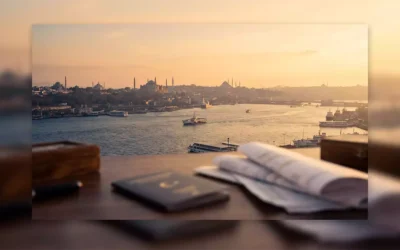
Türkiye Tourist Residence Permit 2026: Eligibility & Process
Foreign nationals staying in Türkiye beyond 90 days can apply for a tourism-purpose short-term residence permit. Here is what the law requires, how long it lasts, and where applicants most often go wrong.

St. Kitts and Nevis Biometric Passport Programme: What Citizenship Holders Need to Know
St. Kitts and Nevis has launched a mandatory biometric passport upgrade for all Citizenship by Investment holders, with enrolment required before 31 July 2027 or travel documents lose validity.
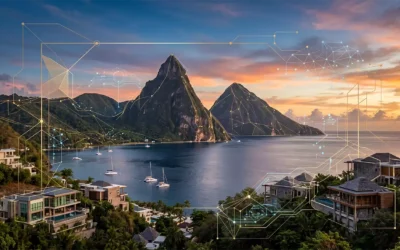
Saint Lucia Citizenship by Investment 2026: Comprehensive Regulatory and Compliance Update
Saint Lucia’s CIP enters 2026 with OECS-harmonized minimums of $240,000, mandatory interviews for all applicants 16 and over, extended processing timelines, and a UK visa requirement in force since 5 March 2026. Full compliance analysis by NTL International.